Voice and Tone
Tone Spectrum
Tone reinforces clarity by tailoring messages to a particular situation or experience. It influences how our audiences view us and how they feel about our message.
Determining Tone
Just as our visual language gives shape to our mission and values, tone provides the verbal framework for expressing them. Tone lives at the intersection of audience and context, helping us meet each moment with nuance while maintaining a consistent Morningstar voice.
When writing in any capacity for Morningstar, consider the following questions to determine the most appropriate tone for your communication.
- Who's your primary audience?
- What's the intent of this communication? To be informative, persuasive, or inspiring?
- How is the user feeling in this moment or around this interaction?
- Are you sharing critical information or reinforcing understanding?
- Will readers be focused when they encounter this message, or will they be scanning on their phones?
In most cases, our tone should feel straightforward and neutral, providing a reliable baseline from which we flex as needed. Your writing can draw upon multiple tonal dimensions, with one tone weighing more heavily than others—for example, you can sound authoritative while still being conversational—to meet your readers where they are.
Always refer to any platform- or audience-specific verbal guidance provided by your business unit or team.
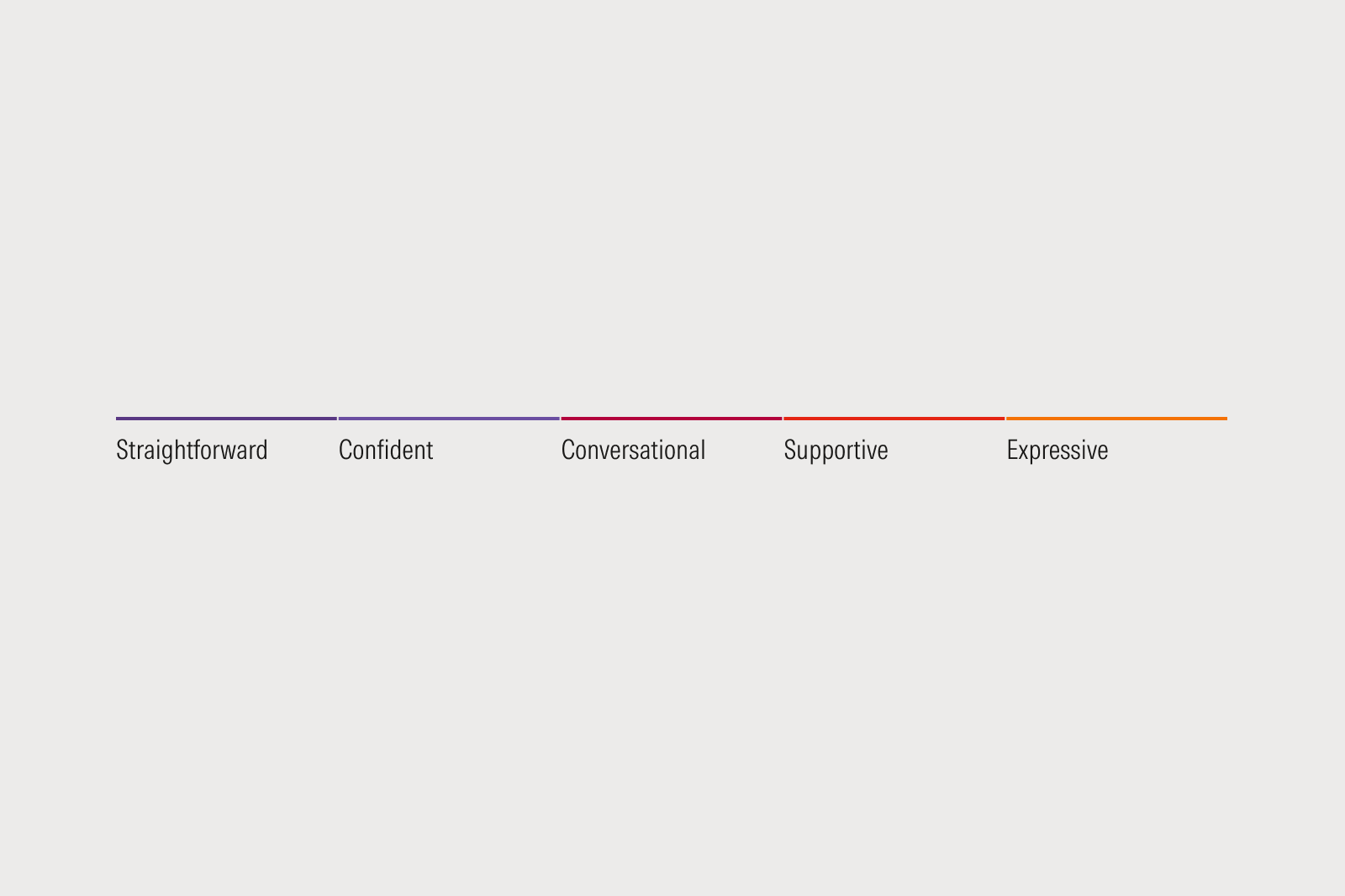
Straightforward
A straightforward tone can lean neutral or serious, but in all instances, it’s pragmatic and objective, no matter who we speak to. We’re a reliable instructor focused on getting people where they need to be in the most direct way.
Our copy shows this through:
- Plain, but not oversimplified, language to get the point across
- Limited use of passive voice, when it supports objectivity or general statements
- Clear calls to action and no additional copy that detracts from the core message
Use a straightforward tone for instructional or legal content, or any moment where helping users complete a task is the priority, such as transactional flows, account setup emails, or disclosure language.
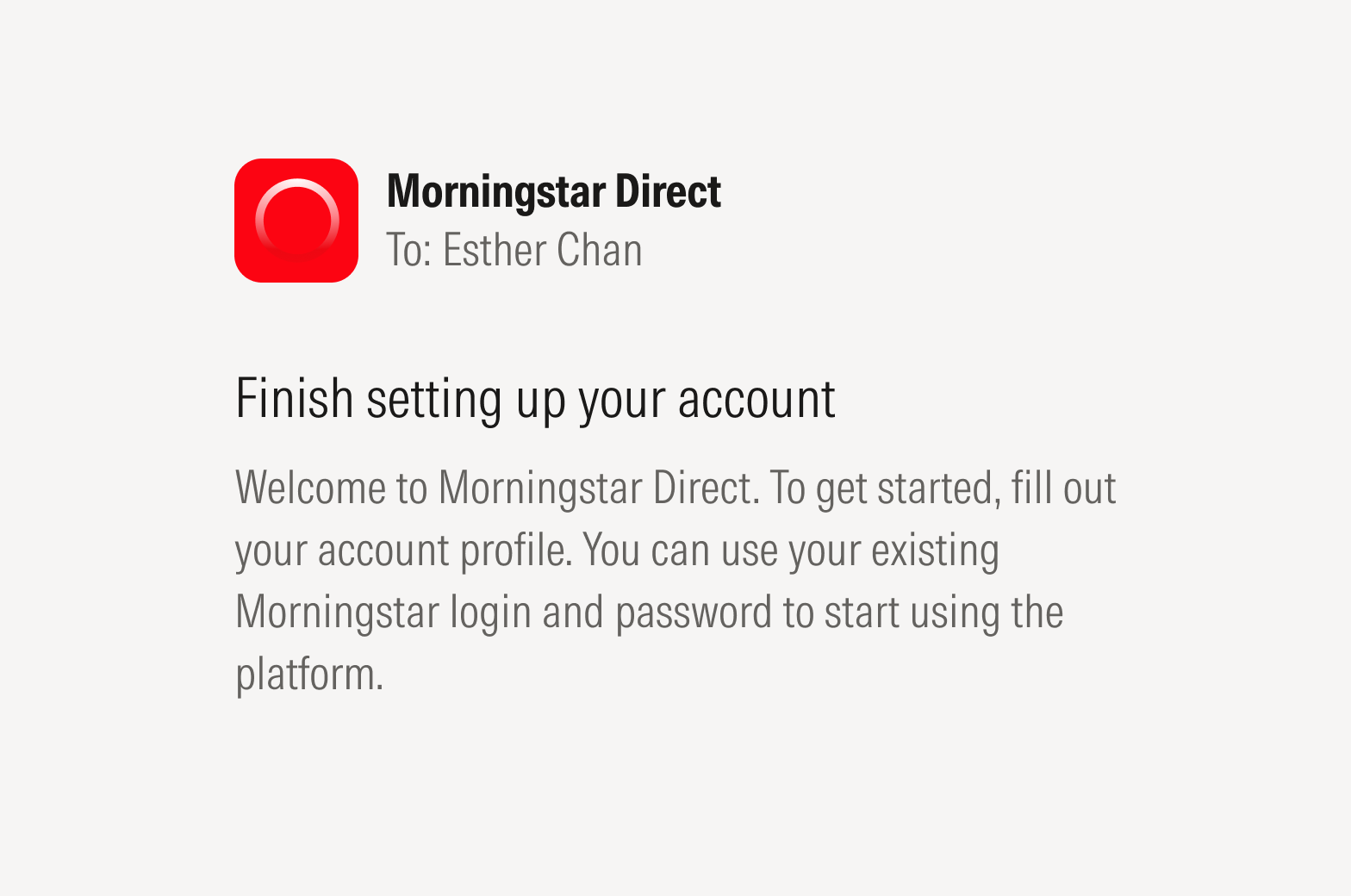
Do keep transactional emails concise. Be specific in your subject lines and body copy to keep readers focused on the task at hand. This example is pragmatic but doesn’t feel cold or unapproachable.

Don't hype up functional communications. Users don’t need to be sold on what they’ve already purchased, and in this example, wordy copy creates a small obstacle to completing the product setup.
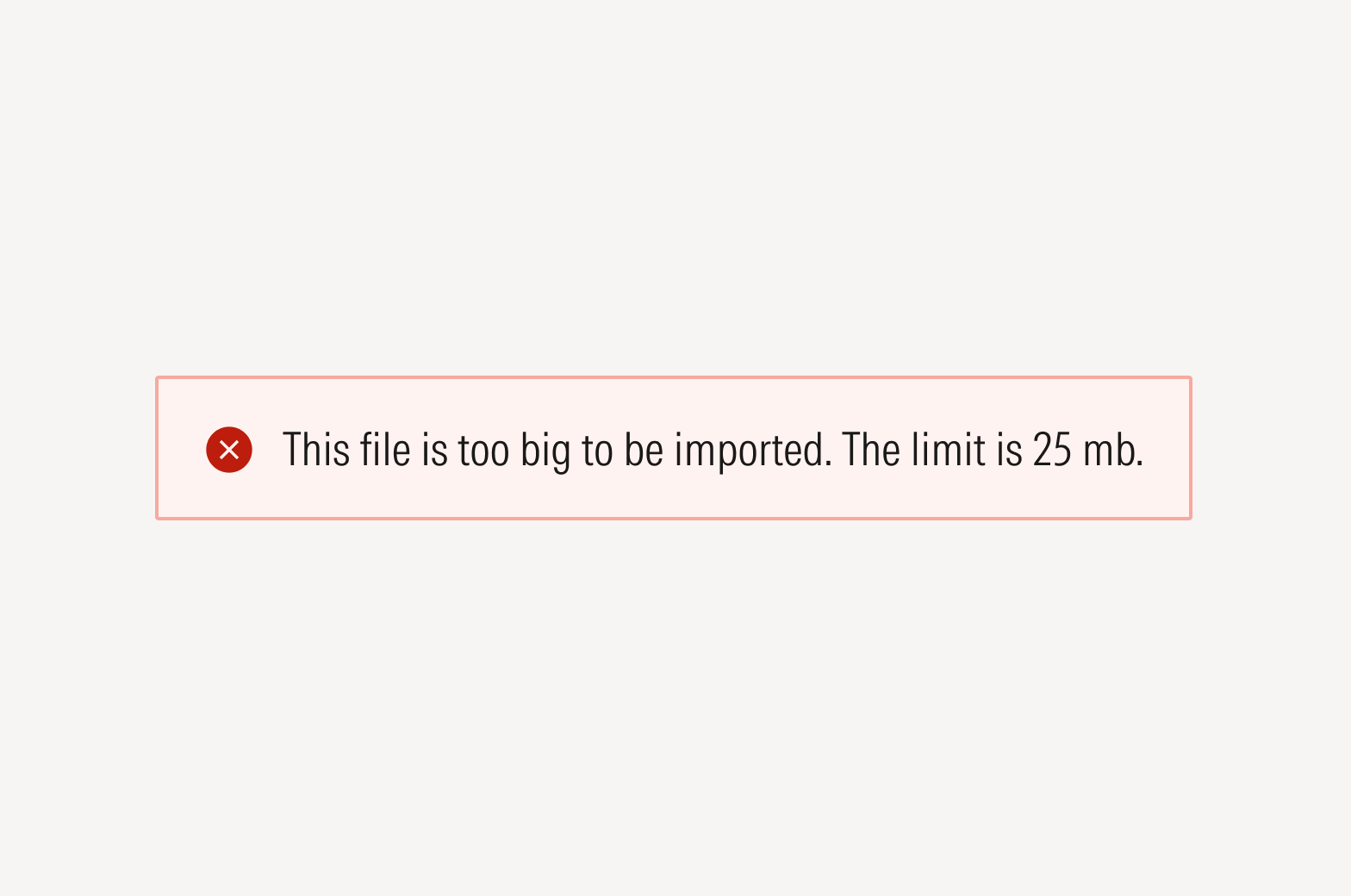
Do give product users clear information they can act on. This error message informs the user what went wrong and offers a clear, concise solution.
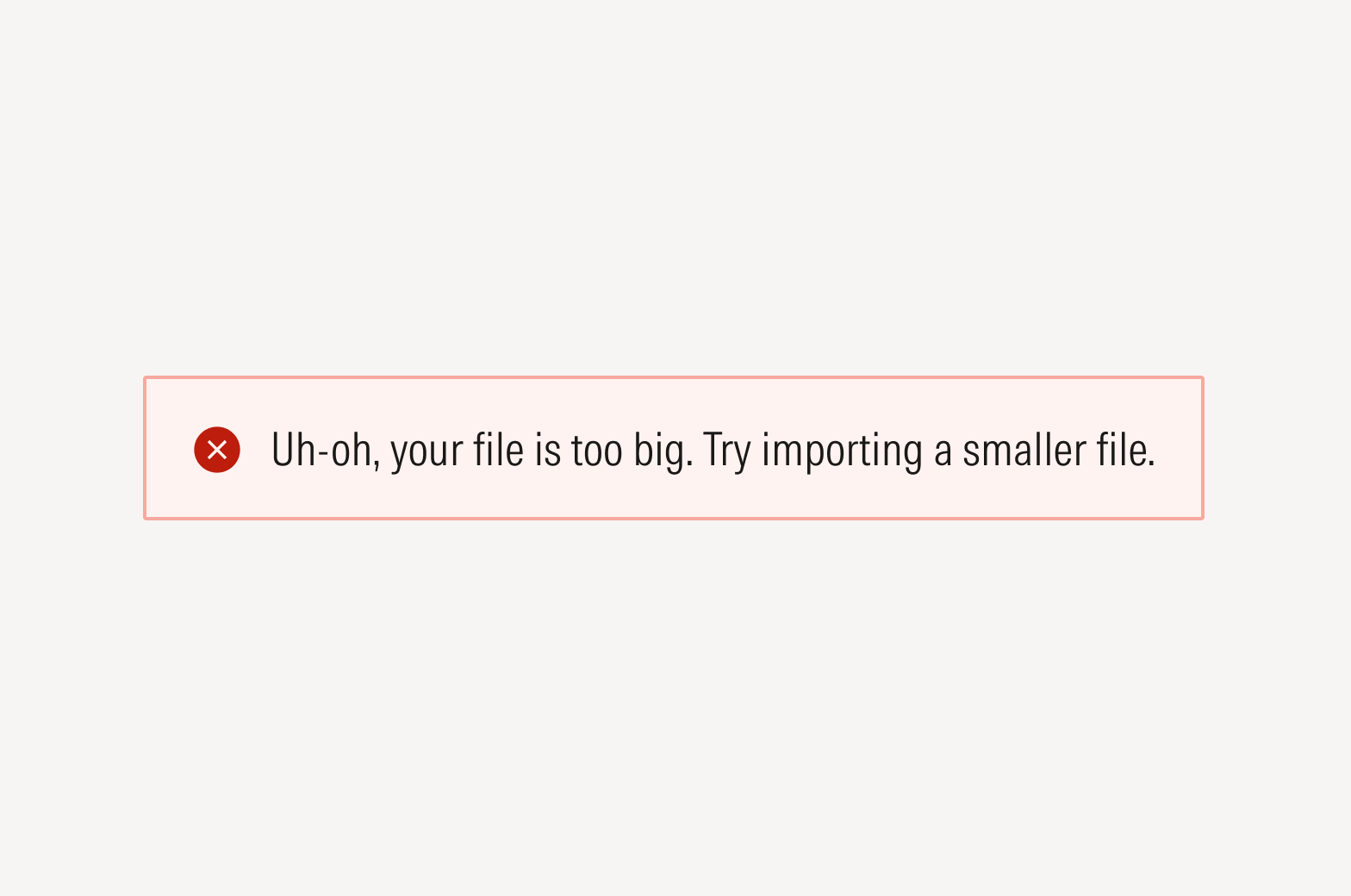
Don’t soften functional messages with casual language or vague guidance. This example doesn’t work because it adds unnecessary filler (“uh-oh”) and doesn't offer an explanation to the issue or a concrete solution.
Confident
A confident tone conveys authority without being intimidating or all-knowing. It expresses conviction, especially when our audience relies on us for technically sound, precise information. We’re a trusted and knowledgeable expert to retail and institutional investors, advisors, and asset managers alike.
Our copy proves it through:
- Declarative sentences that clearly state our point
- Providing data or other factual details to support your message
- Strong yet measured word choices (“We will” versus “We might” or “We can”)
Use a confident tone when we need to demonstrate expertise or share our point of view, including fund commentaries, white papers, crisis communications, or product screen notifications.
Note that in more regulatory spaces, you may need to soften your language to indicate your message is more point-of-view than fact.

Do use clear, precise language to communicate expertise. This long-form example is straightforward, data-driven, and doesn’t need complicated language to sound confident.

Don’t use hedged or vague language when readers are expecting our unique perspective and expertise. This example uses wordy phrases that make the analysis feel wishy-washy and imprecise.
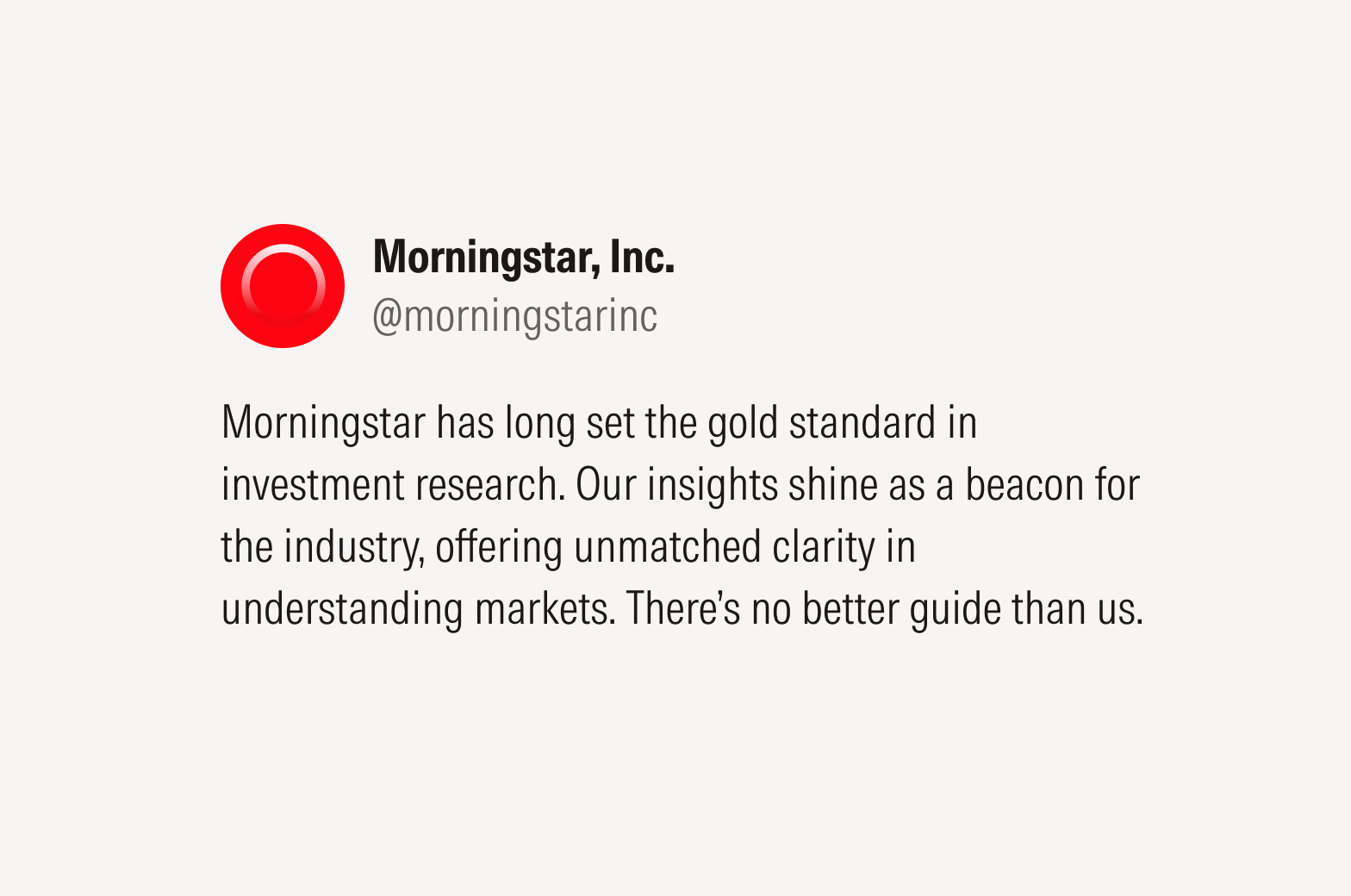
Don’t overstate your authority or veer into overconfidence. In addition to compliance concerns, boasting centers the brand instead of the reader’s needs and offers no actionable insight, making it feel self-serving.

Do use a confident tone subtly in product contexts. This example guides users while lightly emphasizing the platform’s capabilities. It reinforces authority without overwhelm or too much copy in its limited space.
Conversational
A conversational tone highlights our human side. Neither too friendly nor too reserved, it adapts to its audience, using warm, everyday phrasing thoughtfully with retail investors or approachable yet sophisticated language with institutional audiences. We’re a trusted guide who speaks with ease, knowing when to explain and when to assume baseline knowledge.
Our copy shows this by using:
- The second person (“you” and “your” pronouns) to directly address your audience
- Active voice, whenever possible
- Natural phrasing, including contractions, starting sentences with “and,” split infinitives, and ending sentences with prepositions when it improves flow
Use a conversational tone in explanatory or storytelling contexts, like video scripts, Morningstar.com articles, newsletters, or internal communications.

Do use everyday language to explain complex topics in a professional yet approachable way. This long-form example illustrates how someone might speak with a colleague or client while sounding confident in the subject.

Don’t rely on business jargon (“utilize,” “optimize”) to get your message across. This example sounds more confusing than intelligent, and it doesn’t foster connection or clarity with readers.
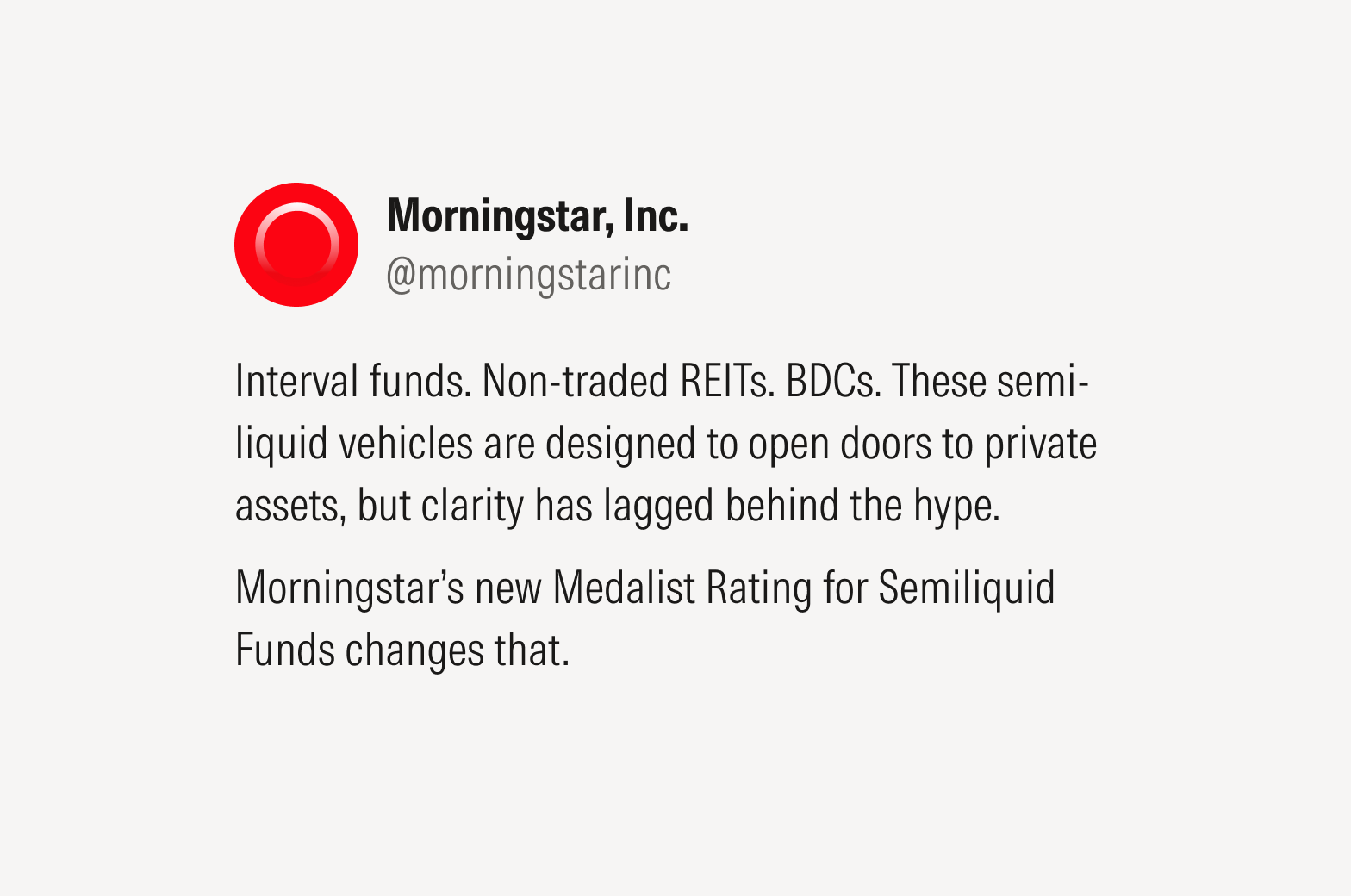
Do establish context in conversational settings like social media, using plain language to explain industry terms and acronyms. This example feels like an invitation to learn more rather than a direct marketing pitch.
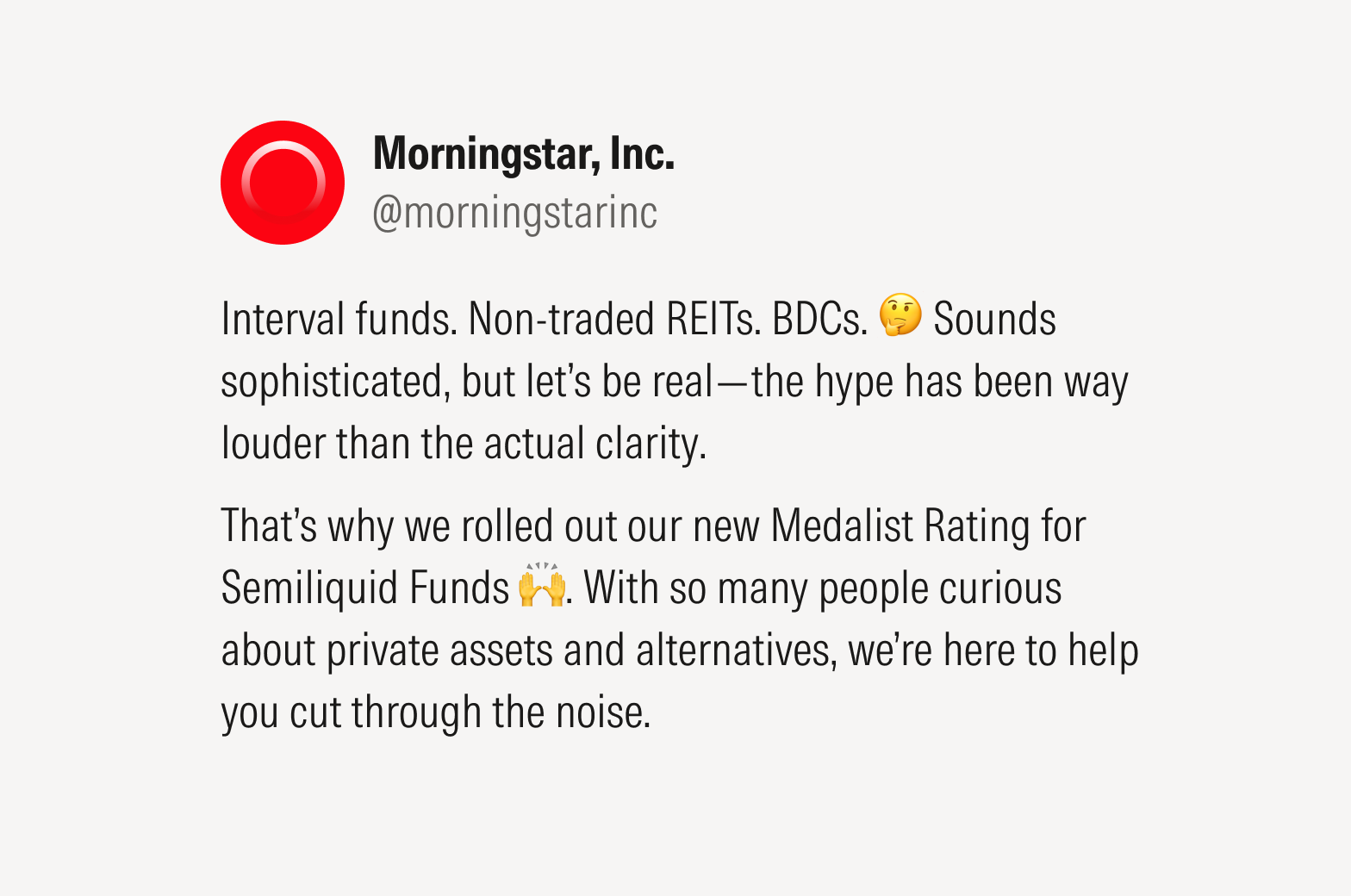
Don’t use overly friendly and casual language, even on social media. Phrases like “let’s be real” and emojis have the potential to be misinterpreted and undermine our sense of professionalism.
Supportive
A supportive tone conveys empathy and encouragement without being lighthearted or too nonchalant. It’s used sparingly to reassure or inspire confidence, depending on context, and always to move users forward. We’re a coach that acknowledges concerns while offering clear solutions.
Our copy proves it through:
- Being careful with jargon or niche terms in challenging user situations
- Short, active sentences that sound conversational
- Gentle encouragement (“Here’s how you can...”) when it guides next steps
Use a supportive tone when readers may feel unsure, or to prepare them for potentially sensitive or high-stakes moments, including onboarding content, client support, error messages, or updates on market volatility.
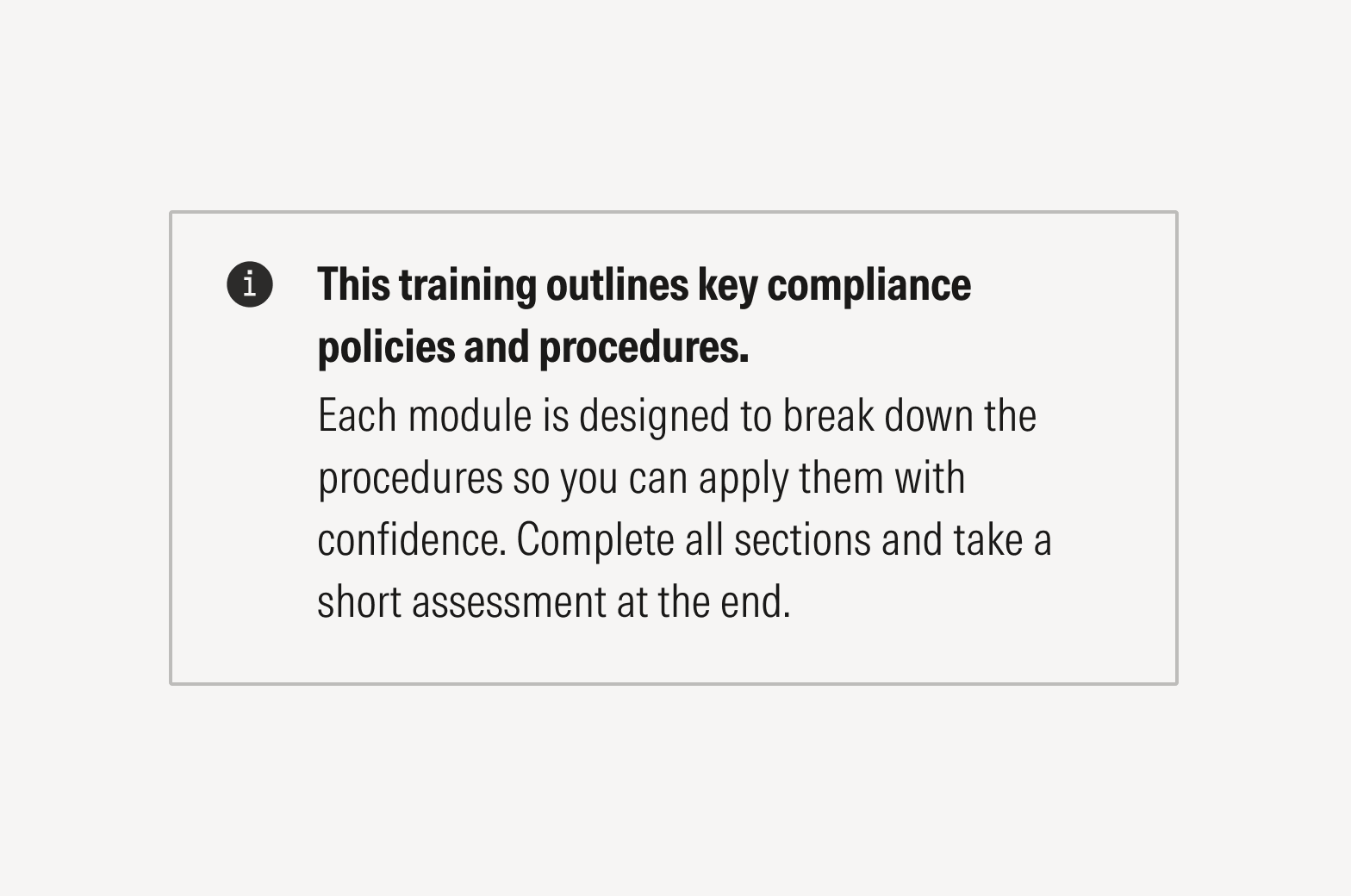
Do add human touches to instructional copy when appropriate. Simple phrases like “so you can apply them with confidence” show understanding and feel warm yet professional.
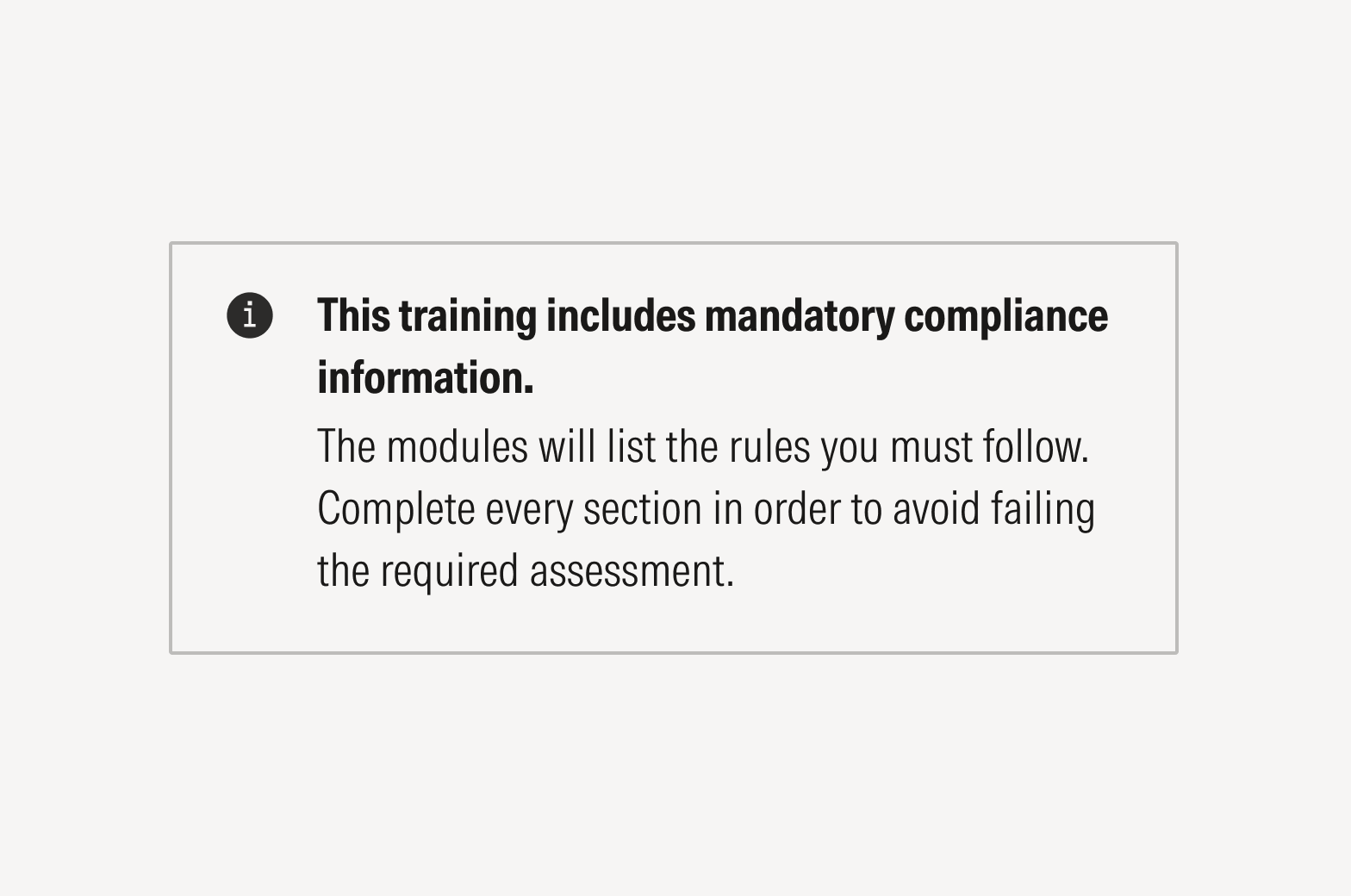
Avoid cold and overly formal language in situations where you want to encourage. This example lacks empathy; by focusing on consequences, the message might create unnecessary anxiety about the training.
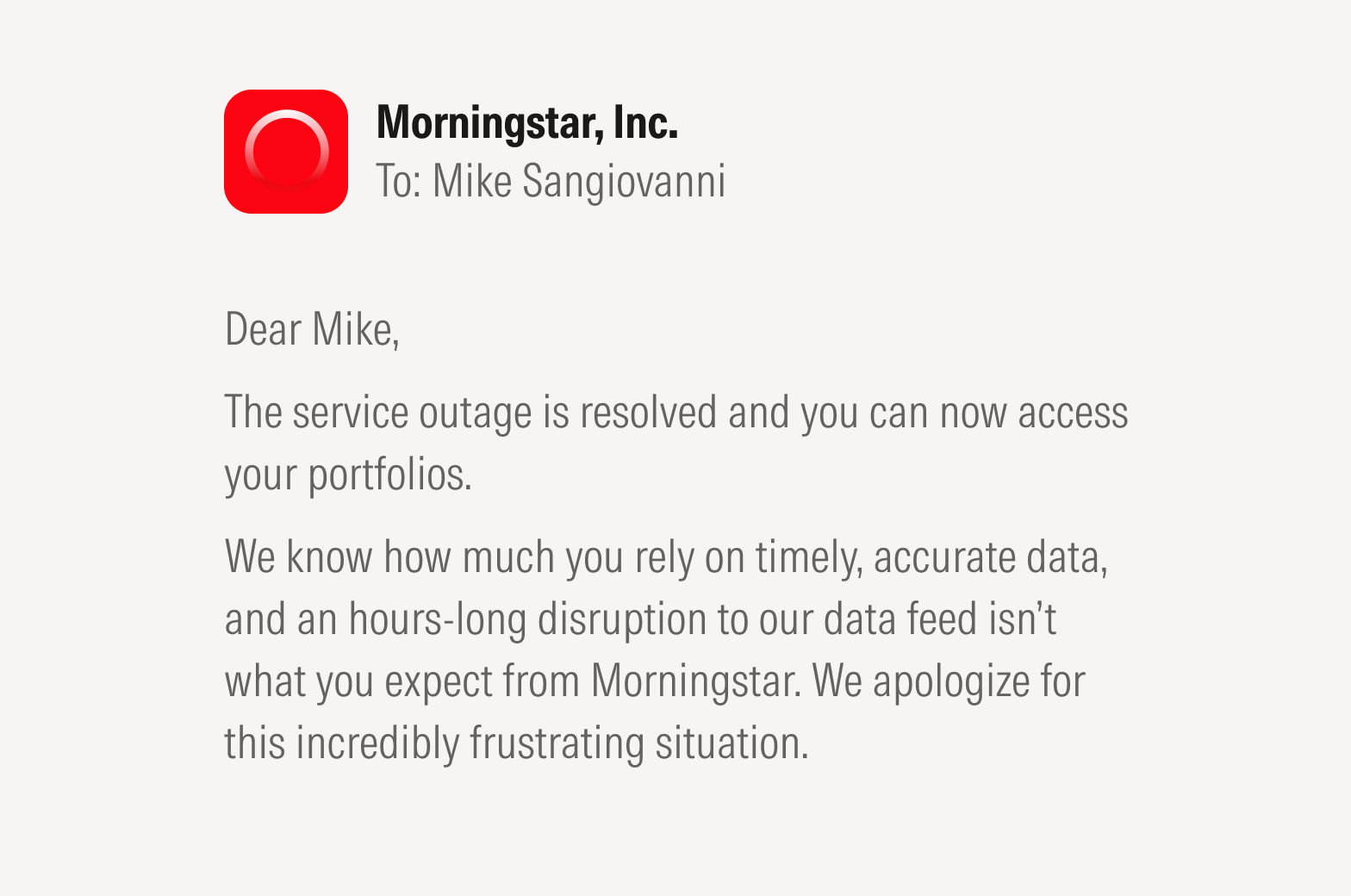
Do acknowledge or validate the reader’s perspective in frustrating situations. In this example, the apology, while not appropriate in every situation, feels sincere. If possible, personalize your message.
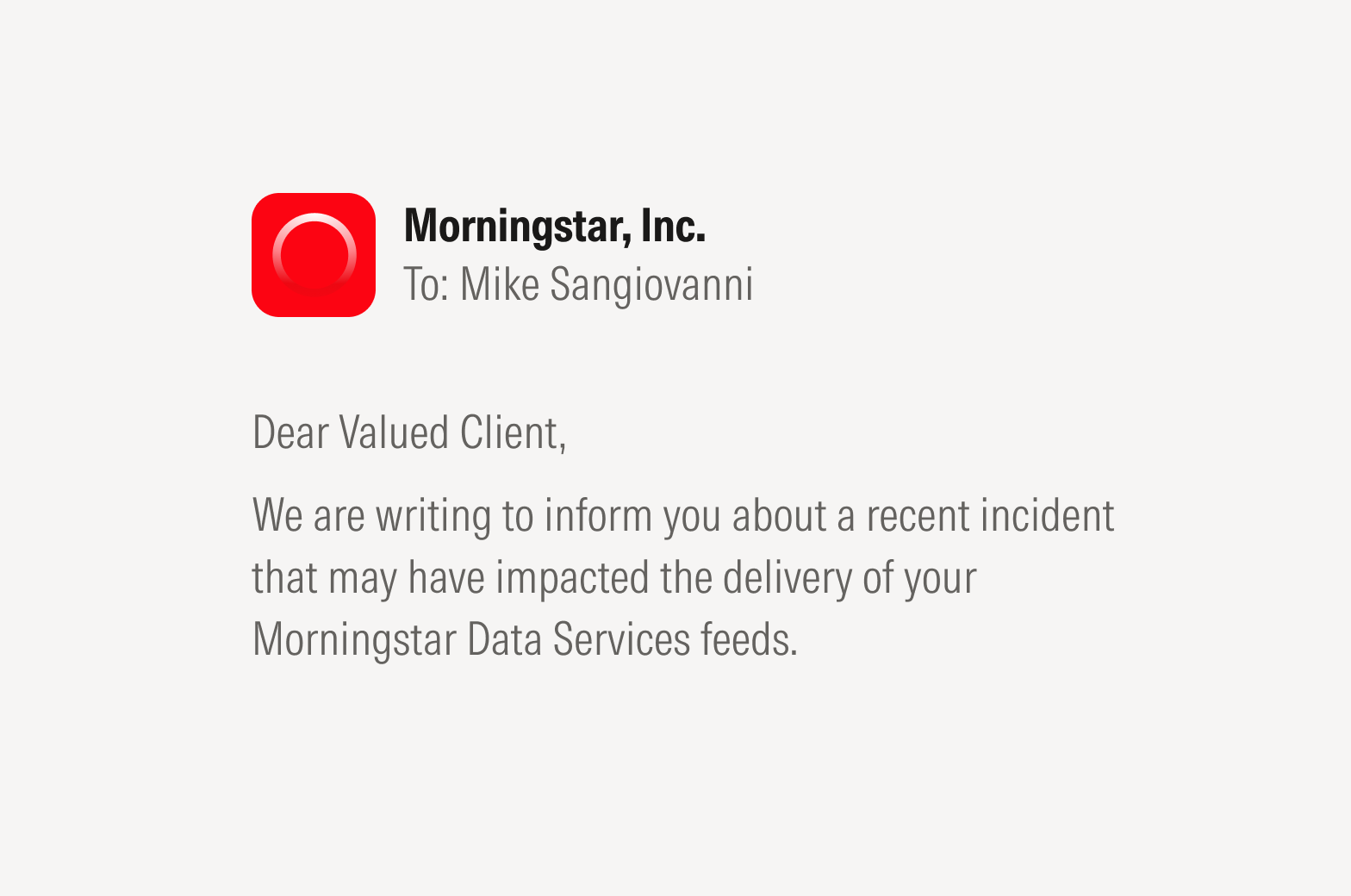
Avoid sounding detached in sensitive moments. Skip formalities like “We’re writing to inform you,” as they take up space that’s better used to share key information or show empathy.
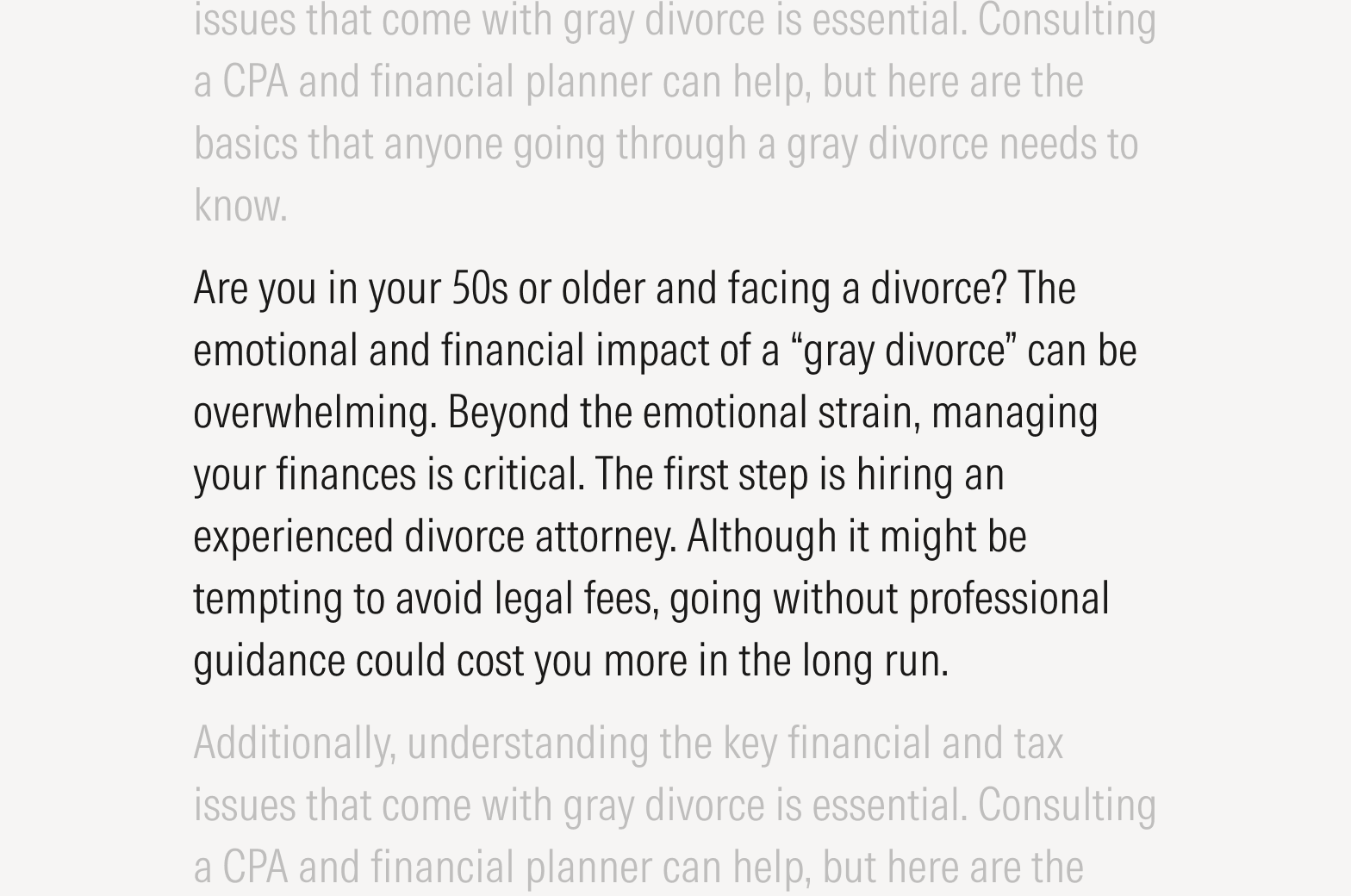
Do acknowledge the challenge your reader may be facing. In this long-form example, the copy balances empathy and actionable guidance without being overly sentimental. (“... a ‘gray divorce’ can be overwhelming.”)
Expressive
An expressive tone taps into user sentiment without being overly emotive or relying on clichèd language. Used sparingly and intentionally, it creates connection through vivid and figurative language without compromising clarity. It helps all clients envision a benefit, result, or action, but should be used more selectively with institutional audiences. In these moments, we’re a storyteller that helps readers see the bigger picture.
Our copy shows this through:
- Word choices that add color without obscuring meaning
- Occasional and measured use of extended metaphors, idioms, or puns, especially when considering international readers
- Longer, carefully structured sentences when nuance is needed
Use an expressive tone to energize or inspire users, including campaign messaging, events, social media posts, or top-of-funnel marketing taglines, as well as in editorial and research contexts where an analyst’s unique voice brings clarity and conviction.
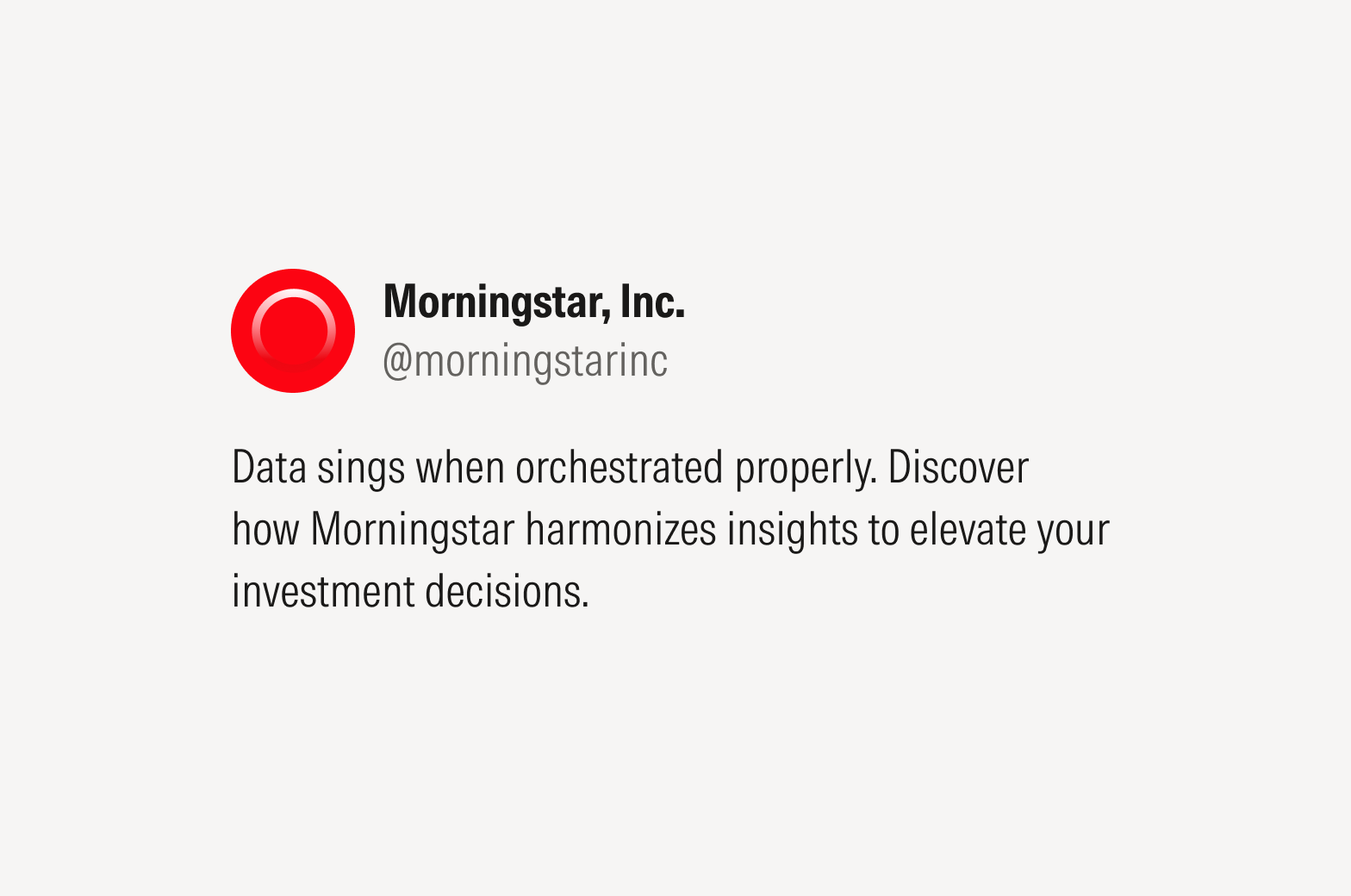
Do write metaphors that are easy to follow for native and non-native English speakers, avoiding florid language. For cohesion, ensure verbal metaphors align with visual elements.

Don’t bury your message in wordy copy. In this example, the long sentences reduce readability, and the overly lofty language comes across as disingenuous and boastful.

Do balance creativity with brevity. Expressiveness doesn’t mean copy-heavy, and this example feels confident without being overly clever, and pithy.
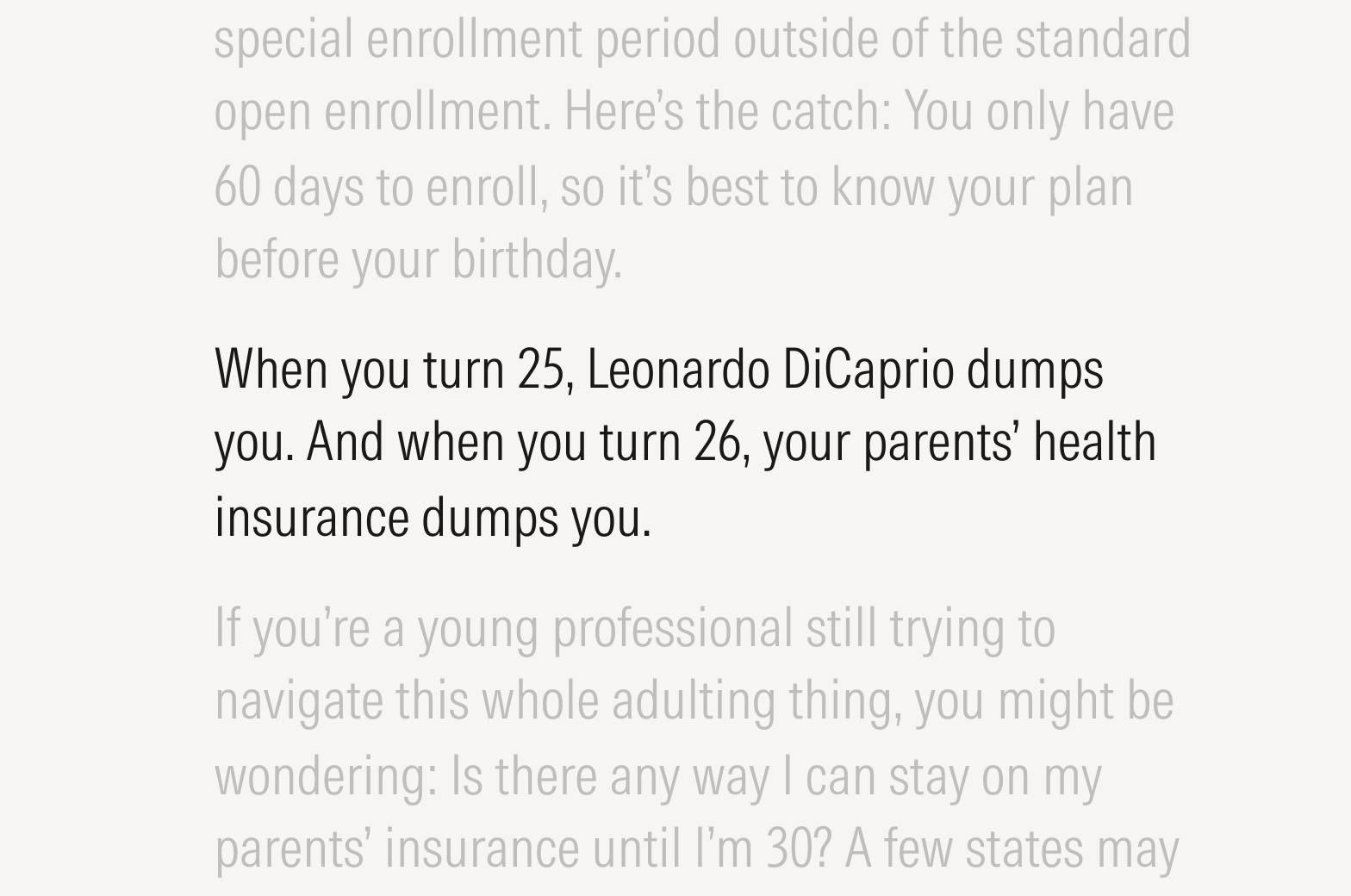
Don’t undermine our professionalism and credibility by using cheeky humor or sarcasm. It’s a tone mismatch that doesn’t add value to the conversation or support clarity; at worst, it makes us appear flippant and trivial.