Voice and Tone
Voice
Morningstar is the independent voice in a noisy market: informed by evidence, unafraid to call things as they are. Our voice principles are how we embody our independent persona in copy.
The Independent Voice
The independent voice boldly confronts the forces investors face in a sharp, uncomplicated way. It’s how we demonstrate our credibility and commitment to speaking truth to power.
Voice is how we verbally express our brand personality and signal who we are in everything we do. Our tone, however, will flex depending on the situation our reader is in. These guidelines explain how we set up our messaging and how it should sound.
Product, Marketing, and other writing guidelines each hone these guidelines for their specific use cases.
Retail Voice Principles
Retail investors—everyday people investing their own money—want clear, relevant, and actionable advice. Our voice is grounded in empathy and helps us connect with them in a way that they feel understood. That voice is built upon three principles: courageous, frank, and informed.
Use the retail voice when speaking to:
- Individual investors
- Firms or professionals offering products or services to individual investors, like wealth managers, retirement plan advisors, or asset managers serving the retail market
- A mixed audience that includes both retail and institutional investors
For internal communications, press releases, and other situations where you want to remain understandable to the broadest audience possible, default to retail voice.
Courageous
We don’t hedge, hide, or sit on the fence. We take a stance and sound confident in our conclusions.
What we say:
- We name problems directly rather than deflecting them.
- We offer a clear point of view that centers on readers’ needs.
How we say it:
- We use a confident tone and the active voice when possible.
- We cut qualifiers and hedging language to signal our certainty.

Do use direct, unflinching language when naming a pain point. The first line of this landing page is punchy and links a problem to our solution, while the follow-up explains it with conviction rather than a list of features.

Do put the customer first by acknowledging their emotional state rather than simply announcing new research or features. Empathy is courageous because it doesn’t gloss over the realities of investing.
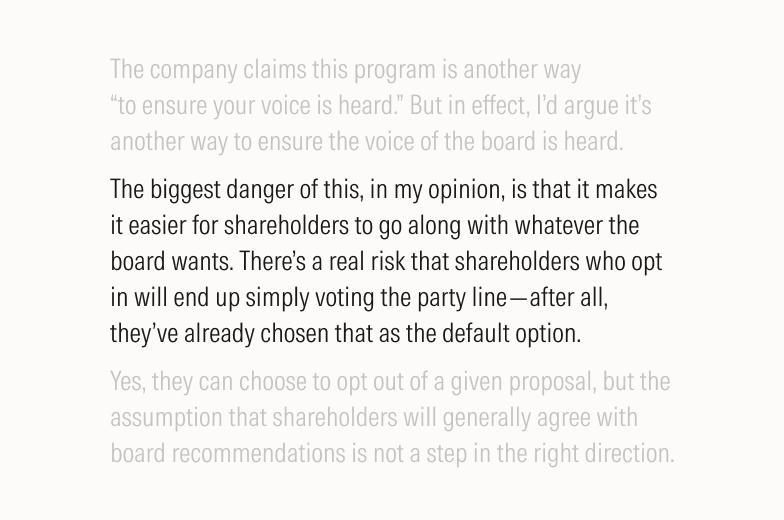
Do call out unfairness or risks to investors. In this article, the writer clearly and confidently explains Morningstar’s stance on proxy voting, without condescension or aggressive language.
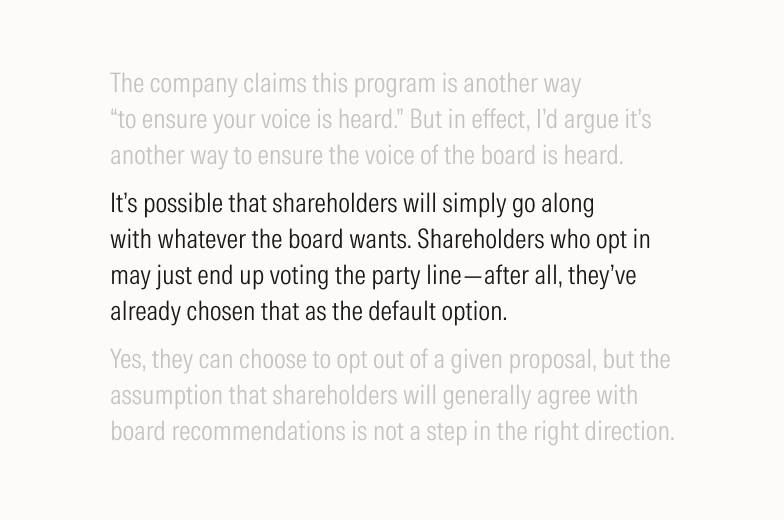
Don’t offer neutrality or hedging language in situations where readers stand to benefit from our independent insights.
Frank
We say it like it is: clear, direct, and human, never hiding behind jargon or over-polishing the truth.
What we say:
- We prioritize understanding over simply sounding authoritative.
- We get straight to the point and make sure readers know what to do next.
How we say it:
- Depending on the context, we use a straightforward or conversational tone.
- We choose plain language over industry jargon to keep copy broadly understandable.
Jargon | Plain Language |
|---|---|
Utilize | Use |
Optimize | Improve |
Facilitate | Help |
“Implemented price increases” | “Raised prices” |
“Handled at a quarterly cadence” | “Handled quarterly” |
“As the company reaches a point of maturity...” | “As the company matures” |
“We saw significant volatility across macroeconomic conditions” | “The market fell quickly” |

Do write like you’re speaking to a smart colleague. This headline and sub-headline clearly explain the issue and our point of view without being too stiff or too casual.

Don’t assume every reader has the same familiarity with investing topics and terms. Don’t fill knowledge gaps with copy clichés like “optimizing outcomes,” which sound important but don’t convey anything meaningful.

Do indicate specific actions users should take, without preamble. In places like emails and user experience touchpoints, being frank means finding the clearest way to explain what’s next and maintaining appropriate urgency.

Don’t soften copy when readers have decisions to make. Writing frankly means not obscuring the next step or letting readers off the hook. However, in legal or regulatory contexts, adjust your copy as needed.
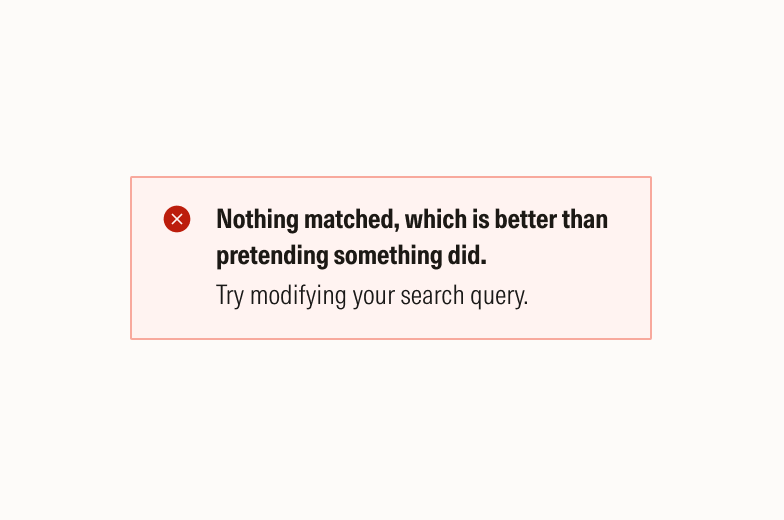
Avoid humor or sarcasm, especially in user interface copy. Overly clever copy risks creating friction at exactly the wrong moment. For more guidance on UX/UI copy, see Product Content.
Informed
Opinion without evidence is noise. We earn authority through data, context, and credible reasoning.
What we say:
- We back up our conclusions with evidence and explain why it matters.
- We’re clear and honest about what we know and what we don’t.
How we say it:
- When possible, we lead with the “why” or the angle of most interest to the reader.
- We’re precise when referencing numbers, time frames, or scale, and follow up with clear definitions or explanations as needed.
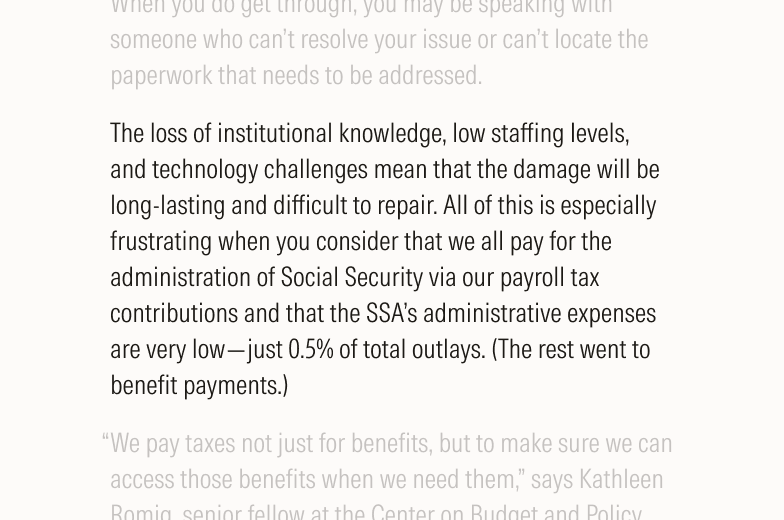
Do use specific, evidence-based language instead of broad claims. Facts to build confidence, so cite stats and link to research, especially in long-form content.
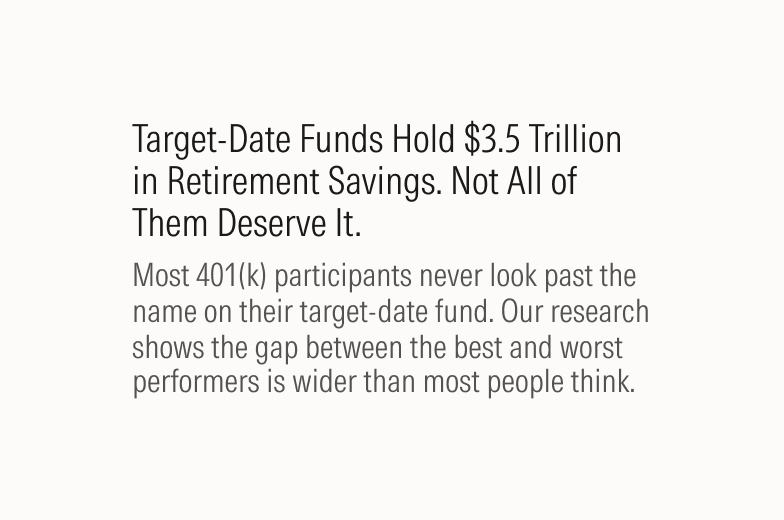
Do use data points to give the reader perspective. This headline and subheadline convey the magnitude of target-date holdings and the analyst’s point of view, immediately setting up why readers should care.

Do keep users informed about what happens next in any user experience and explain how to move forward. For more product-specific writing guidance, see Product Content.

Don’t edit down your message to the point where it’s unhelpful. Concise shouldn’t compromise clarity or usefulness in a user experience.
Institutional Voice Principles
Institutional investors need content that helps frame their decision-making, without the same level of direction or explanations offered in retail communications. These voice principles—discerning, precise, and rigorous—signal that our in-depth insights are worth their time.
Use the institutional voice when speaking to:
- Pension funds, endowments, and insurance companies
- Banks, private equity, and venture capital firms
- Firms or professionals offering products or services to institutional investors
Discerning
We apply disciplined judgment to separate meaningful insight from market noise, grounded in independence and expert perspective.
What we say:
- We signal judgment, not emotion, by explaining what the data show and what they suggest.
- We clearly spell out what investors stand to gain or lose to demonstrate our value.
How we say it:
- We use a confident tone and decisive language.
- We use framing like “we assess” or “we challenge” to reinforce our role as an independent voice.

Do show analytical depth by leading with specific forces and variables. This social media copy conveys Morningstar’s assessment with a level of context tailored for an institutional audience.

Don’t use generic phrasing like “increasingly complex market environment” or “top insights” that feel unspecific and don’t offer actual insights.

Do frame your content as a claim, not just as a topical statement. The headline and sub-headline of this article concisely explain a conclusion and how it was reached, while challenging the reader’s assumption.

Don’t simply insert “institutional” in your copy if it isn’t appropriately framed for the audience. Here, the headline and sub-headline mirror each other and aren’t specific to the findings or why the reader should care.
Precise
We earn credibility by saying what we mean. Every message and every word is deliberate, accurate, and appropriate to the audience.
What we say:
- We clearly distinguish between factual data and interpretive judgment.
- We prove we understand our audience by tailoring our content accordingly.
How we say it:
- We match the strength of our words to the strength of the evidence; we neither soften nor overstate the message.
- We use technical terms if they support clarity and accuracy.
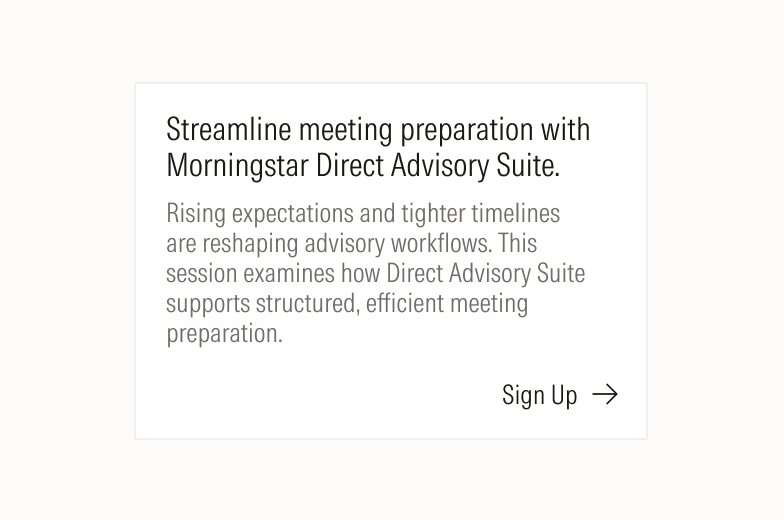
Do use straightforward, informational language, especially when discussing audience needs. In places where character counts are limited, this may mean honing in on one angle rather than trying to fit in every data point.
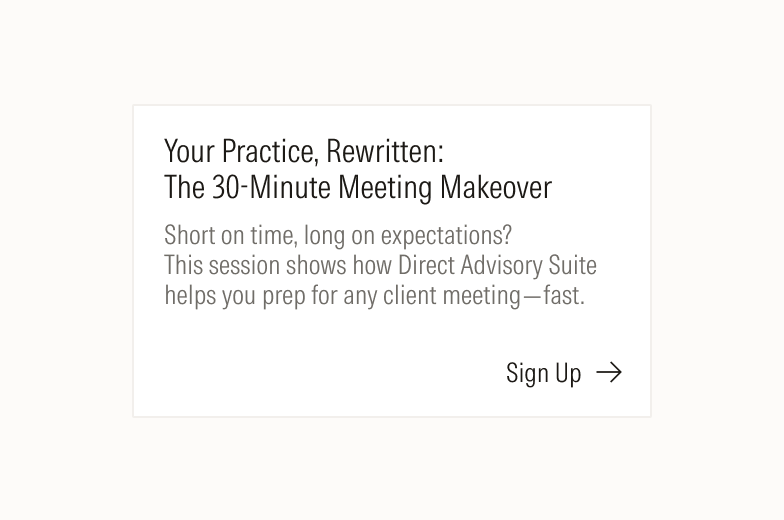
Don’t rely on colloquial hooks (“meeting makeover”) or emotive promises. Authority comes from relevance and insight, not hype or enthusiasm.
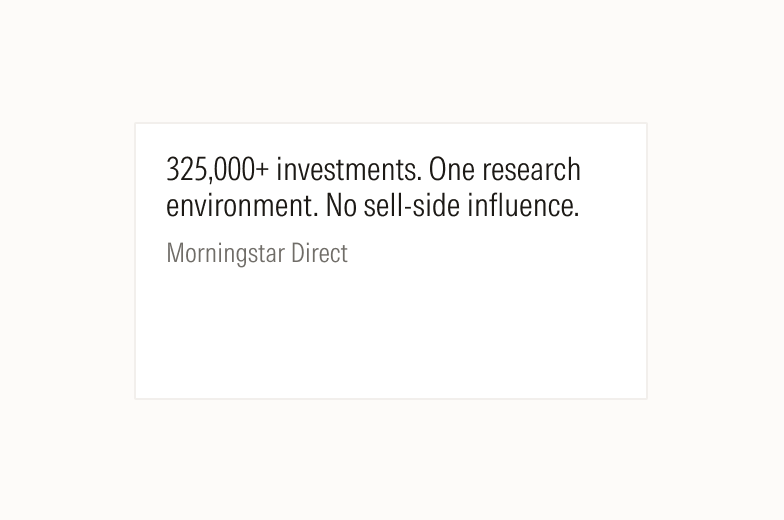
Do spotlight what’s most interesting to your audience. This conference booth tagline signals breadth and speaks to institutional concerns without extraneous copy.

Don’t rely on clichés that don’t precisely name a problem or a benefit to the reader. This tagline lacks a point of view and doesn’t explain to conference attendees what the product actually does.
Rigorous
We earn authority through method, evidence, and transparency. Our conclusions are grounded in defensible analysis that stands up to scrutiny.
What we say:
- We present the data or methodology that support our conclusions.
- We write to withstand scrutiny, not to persuade.
How we say it:
- We preserve nuance and avoid oversimplification that weakens credibility.
- In short-form copy, we signal rigor with precise words like “auditable” or “stress-tested,” or a specific data point.

Do ground decisive judgments by citing supporting data and research, especially in long-form copy. “A red flag for current investors” reads as a conclusion the reader can verify rather than a position they should accept.

Don’t compress a chain of reasoning into a single dramatic statement. “History's largest capital spending spree” can’t be easily verified, and “spree” is an emotive word that undermines nuance.
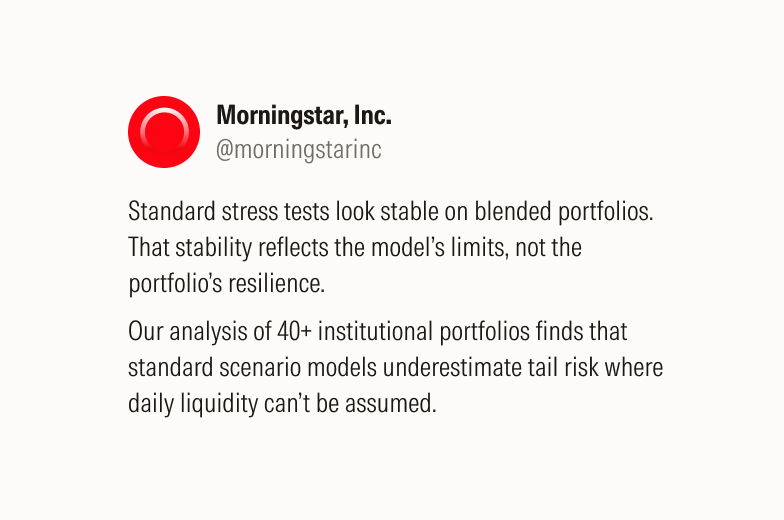
Do signal rigor even when the character count doesn’t allow for the full methodology. This social post uses a specific data point and precise terms to concisely show the standards our analysis was held to.
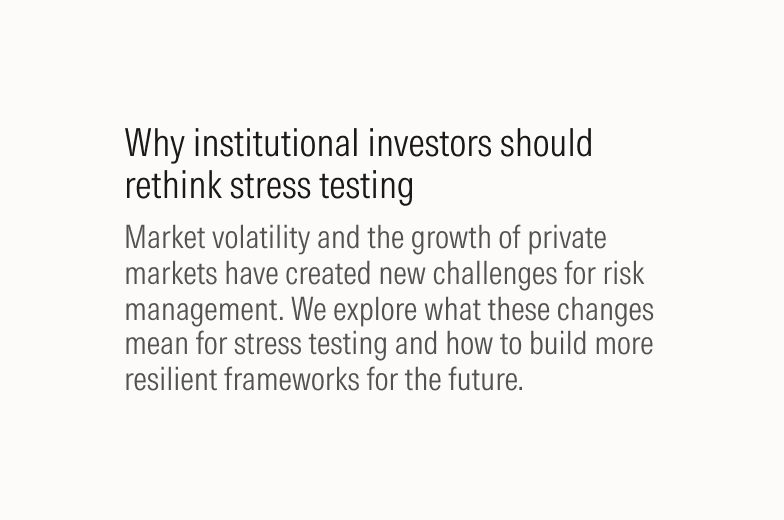
Don’t mistake terms like “resilient” or “challenges” for analytical rigor. These terms feel serious and signal concern, but they don’t offer concrete facts—which institutional readers will notice.